Health Program
The health situation in Pakistan faces many challenges, including a high burden of diseases such as infectious illnesses, maternal and child health issues, vision problems, diabetes, and heart diseases. Many areas, especially rural regions, lack proper medical facilities and trained healthcare workers. Maternal and child health indicators remain weak, and malnutrition continues to be a serious issue. In response to these challenges, Allah Walay Trust has taken significant steps to address health issues by providing services at Khursheed Begum Eye Hospital and Al Mustafa Maternity and General Hospital.


Khursheed Begum Eye Hospital
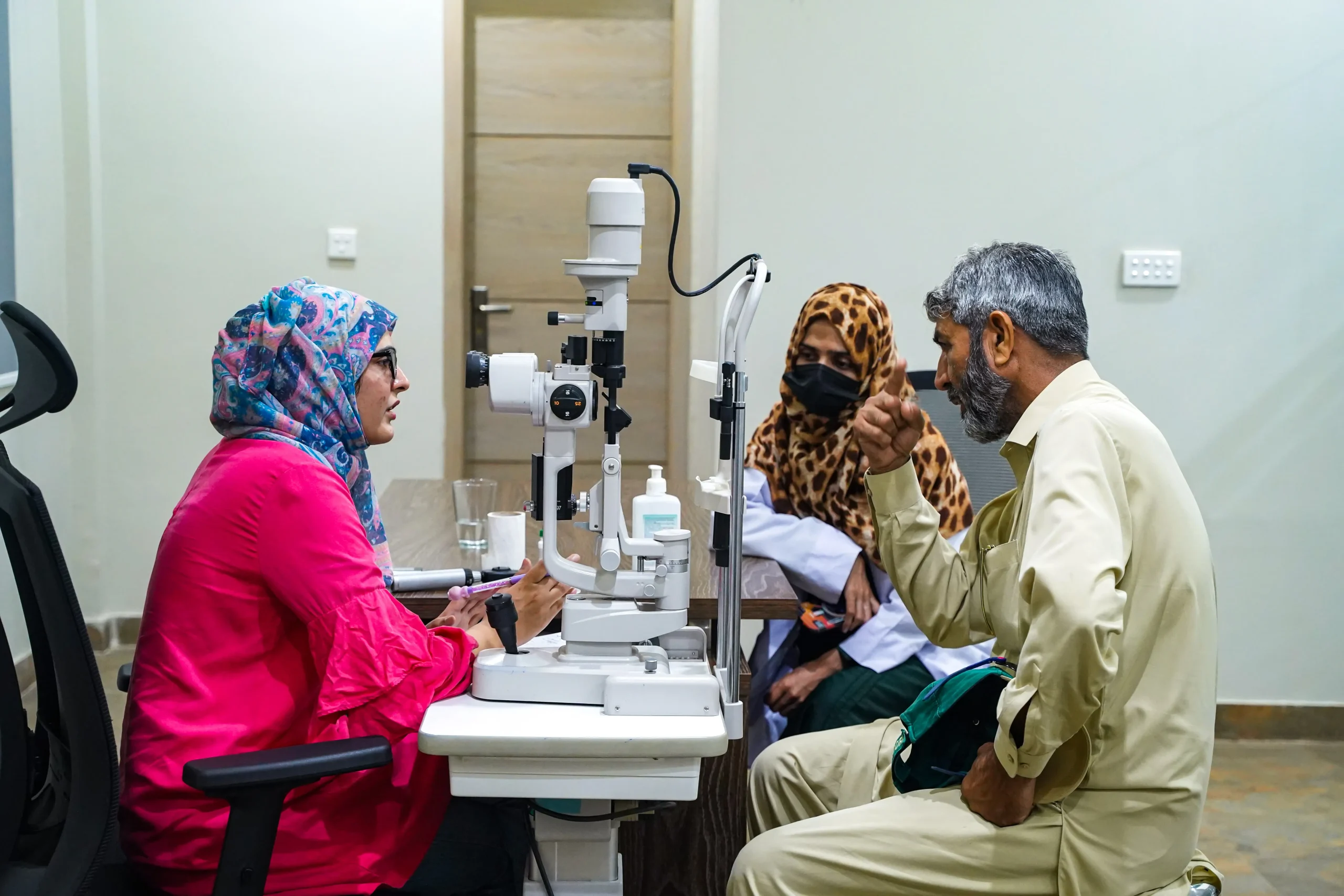
Khursheed Begum Eye Hospital is an initiative of Allah Walay Trust, dedicated to providing exceptional eye care & Operation services to deserving patients along with medicines. Our primary mission is to prevent and control blindness by offering standard & sustainable eye care services. We are committed to making these services accessible & affordable to all, irrespective of their financial background.
Al Mustafa Maternity & General Hospital
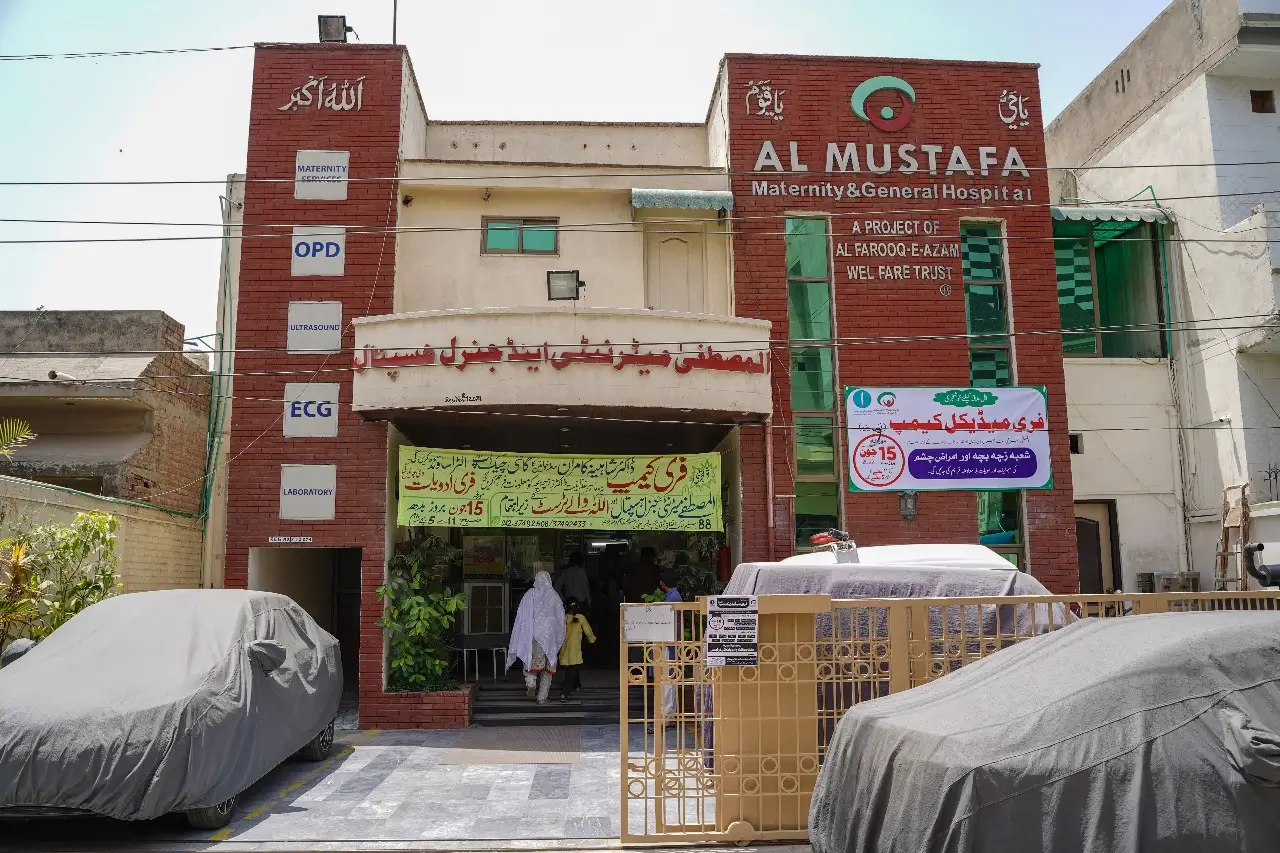
Many families in underserved communities face significant challenges in accessing quality healthcare, especially maternal and general medical services. Al Mustafa Maternity and General Hospital, an initiative of the Allah Walay Trust, is committed to offering compassionate and comprehensive healthcare to those in need. From safe childbirth to essential medical treatments, all services are provided free of cost, including consultations, medicines, and diagnostic support.
Hospital’s Mission
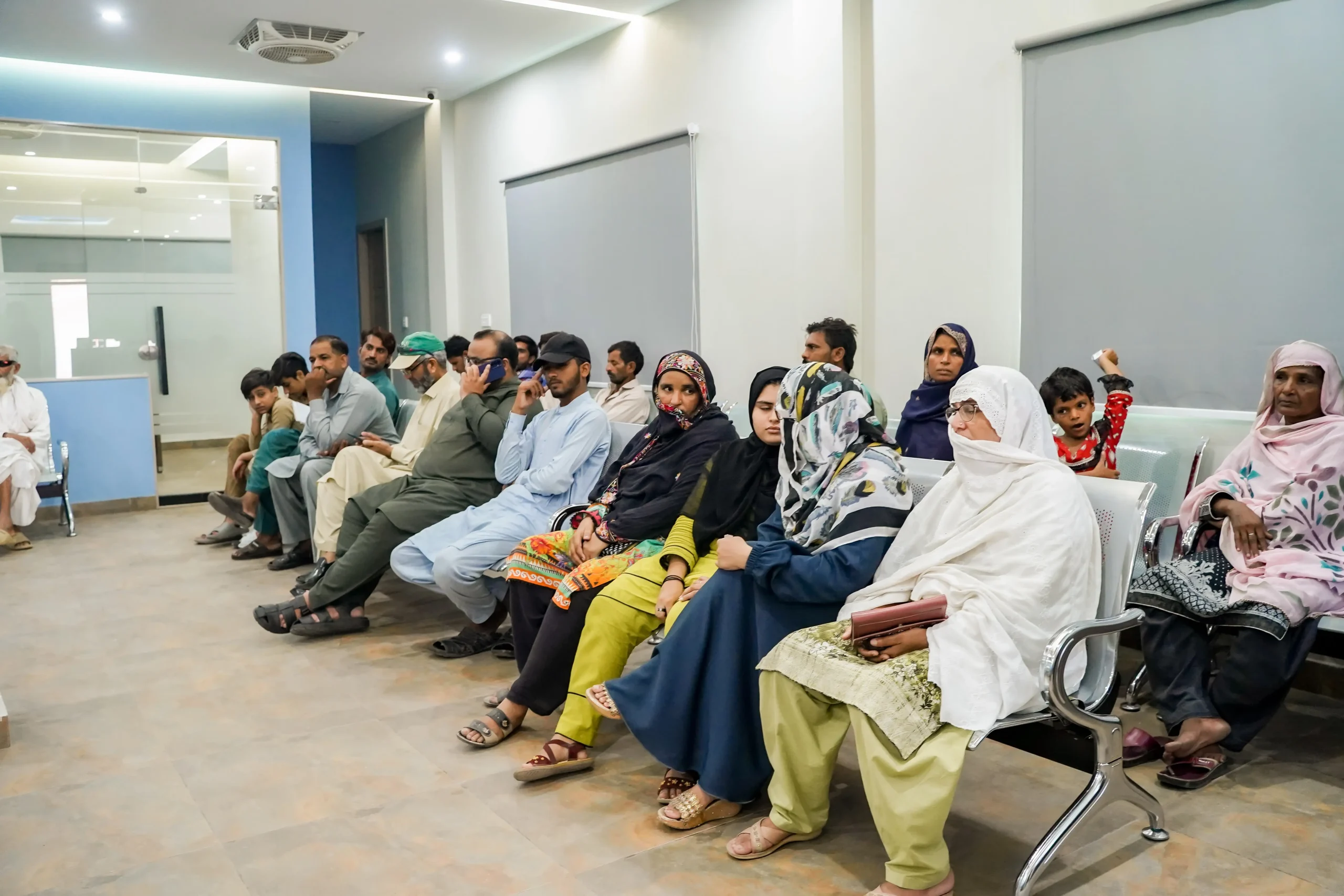
Our mission is to provide free, accessible, and quality healthcare services to marginalized populations. The hospital is dedicated to ensuring safe maternal care, timely medical treatment, and accurate diagnosis through comprehensive services including maternity care, general consultations, and diagnostic support, all aimed at improving the health and well-being of underserved communities.
Our Aim
The aim of our health program is to provide accessible, and quality healthcare services to underserved and marginalized communities. We strive to improve overall health outcomes by focusing on preventive care, timely treatment, and raising awareness about common health issues.
Free OPD (Outpatient Department)
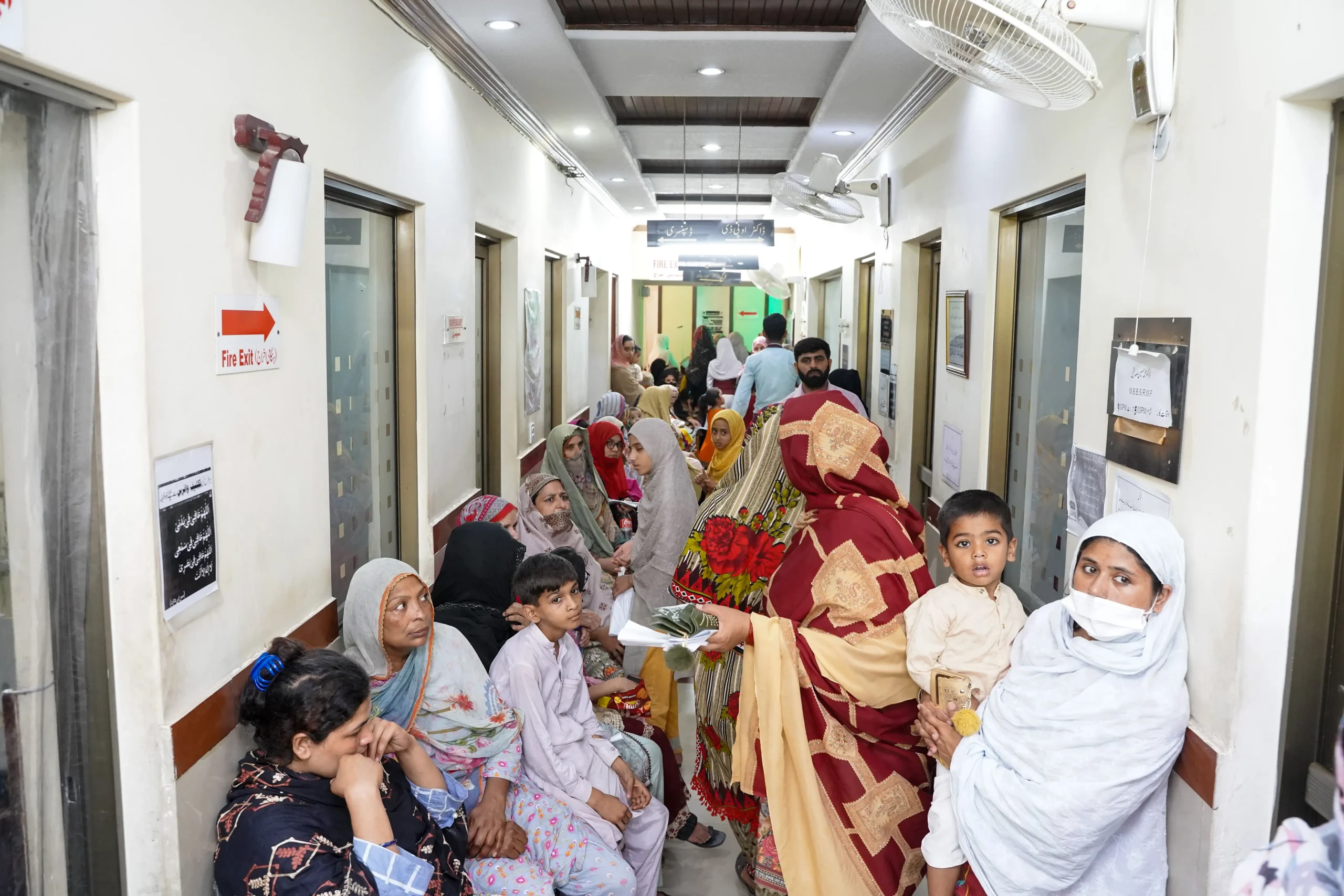
Our hospitals welcome patients for general examinations, consultation and preliminary diagnostics. The outpatient department is the first step in diagnosing and treating various conditions.

Free Medicines
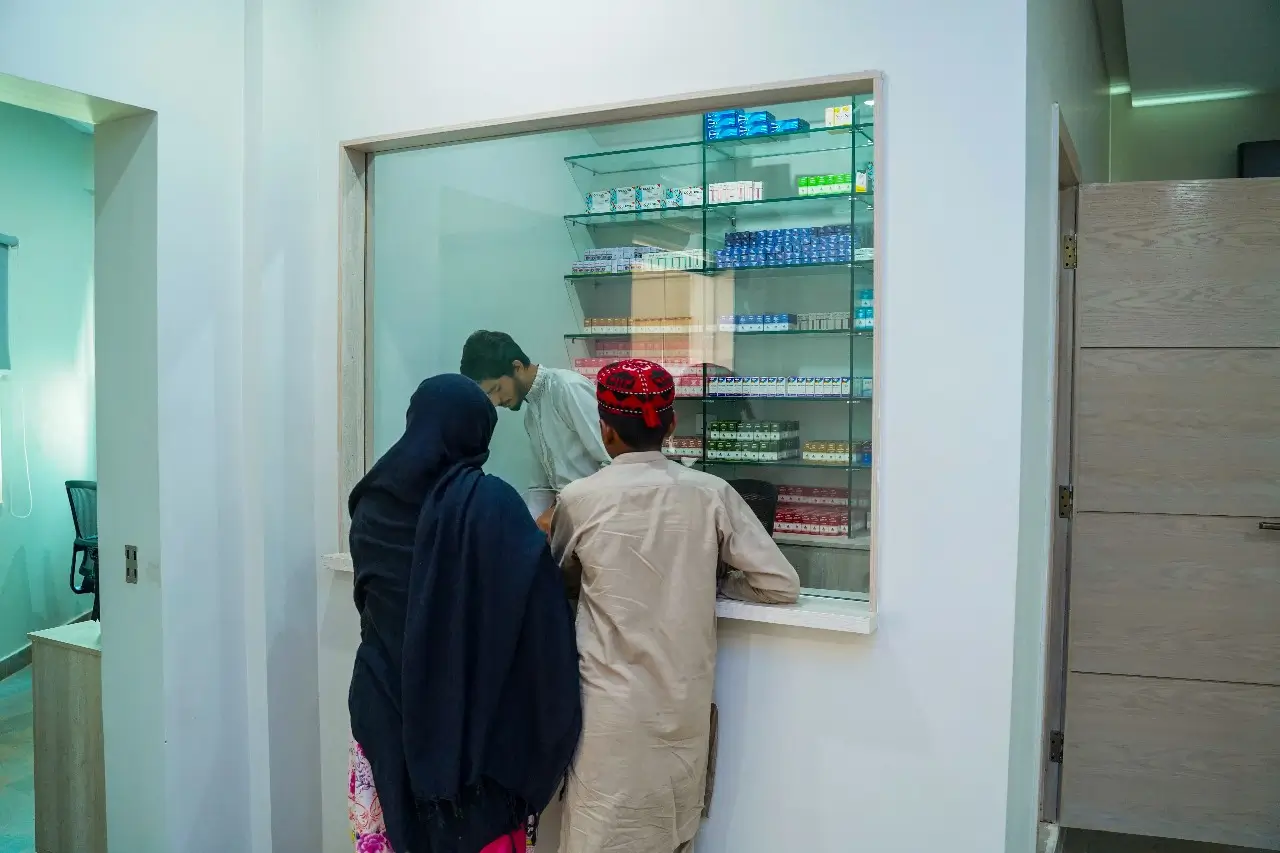
We understand the importance of medication in treating ailments. At our hospitals, patients not only receive expert medical advice but are also provided with essential medications at no cost, ensuring they can follow their prescribed treatment plan without any financial burden.
Free Cataract Operation
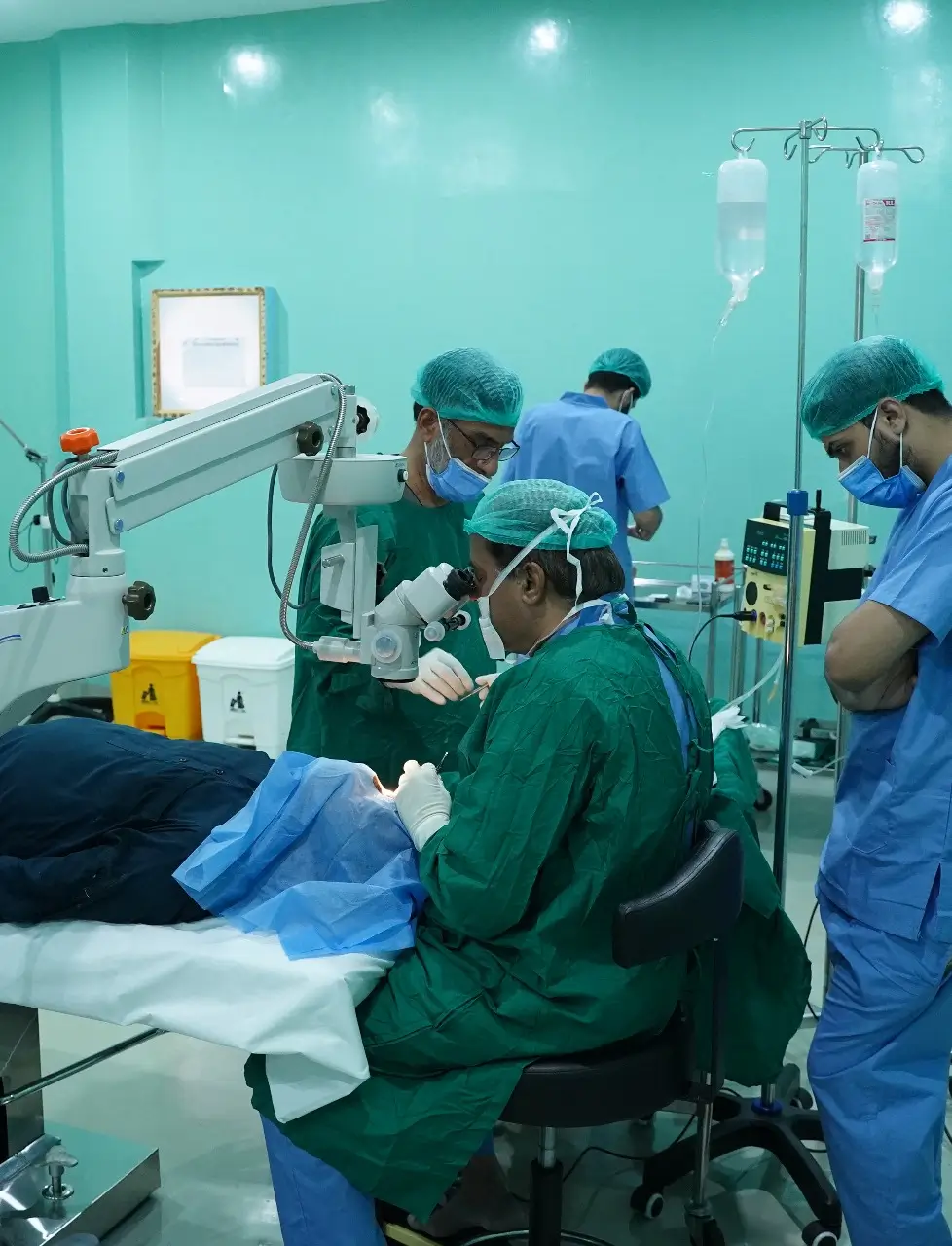
Cataracts can significantly impact one’s vision, often leading to blindness if left untreated. At Khursheed Begum Eye Hospital, we offer free cataract surgeries, a procedure that can restore clear vision and dramatically improve the quality of life for those in need. Our skilled surgeons perform these operations using state-of-the-art techniques and equipment.
Maternity Care Services
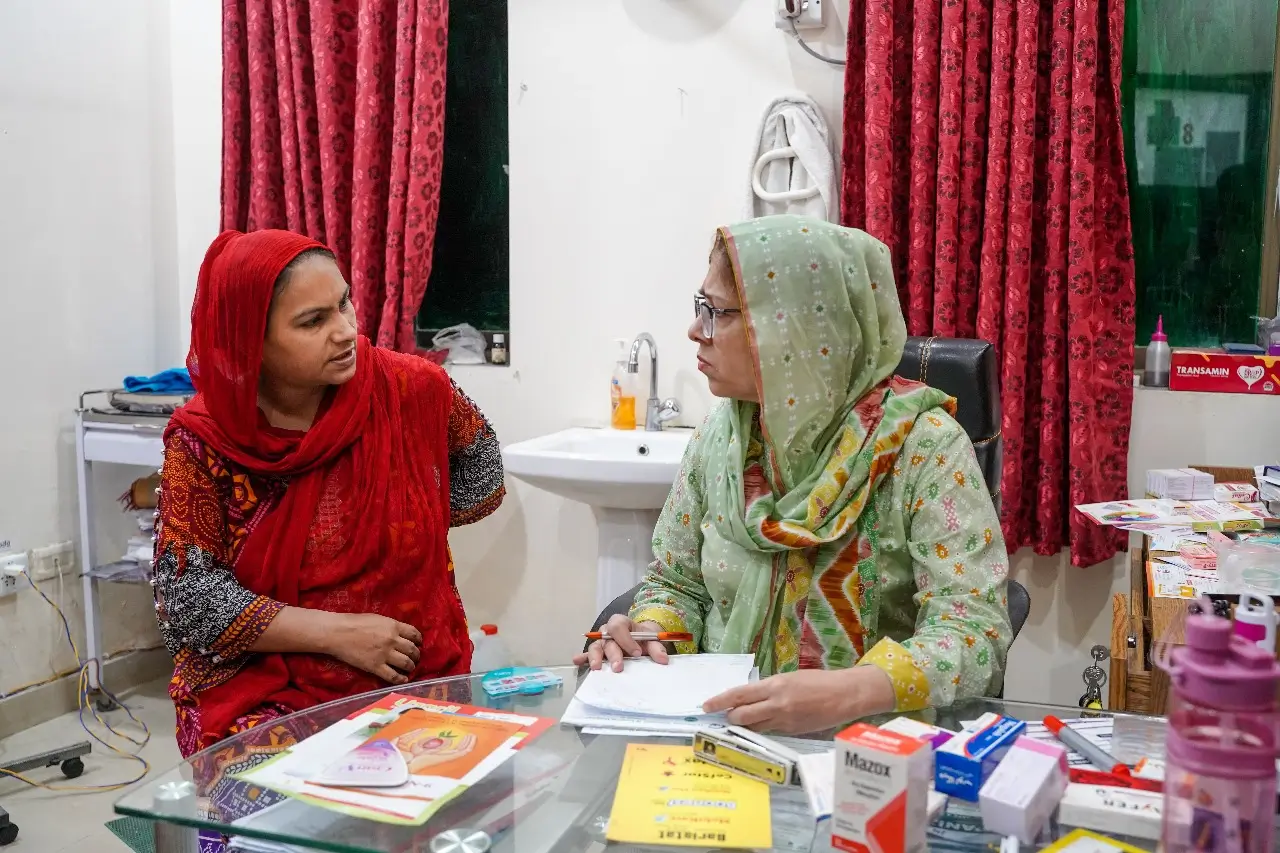
At Al Mustafa Maternity and General Hospital, we provide free delivery and C-section services to ensure safe childbirth for mothers in need. Our dedicated medical team offers expert care throughout the process, prioritizing the health and well-being of both mother and child. These services are especially vital for low-income families who cannot afford private maternity care, helping to reduce maternal and infant mortality rates.
Nutrition Program
Pakistan faces significant nutrition challenges, with high rates of malnutrition, especially among children and women. Nearly 40% of children under five are stunted due to chronic undernutrition, while micronutrient deficiencies like iron, vitamin A, and iodine remain widespread. These issues are driven by poverty, lack of awareness, limited access to nutritious food, and inadequate healthcare services. In response to these challenges, Allah Walay Trust has taken meaningful steps to address nutrition-related issues through initiatives such as Stunting Prevention, Child Feeding, and the Anemia-Free Pakistan program.
Stunting Prevention (M.A.A.M.T.A)
AWT is dedicated to optimizing maternal health to foster the birth of healthy babies, focusing on the critical window from conception to the first 1,000 days of life. Through this initiative, AWT aims to enhance maternal health, improve birth weight outcomes, identify acute malnutrition, and prevent stunting resulting from chronic malnutrition. Currently, we are serving in 16 tertiary care hospitals across major cities including Lahore, Multan, Dera Ghazi Khan, Islamabad, Rawalpindi, and Faisalabad.
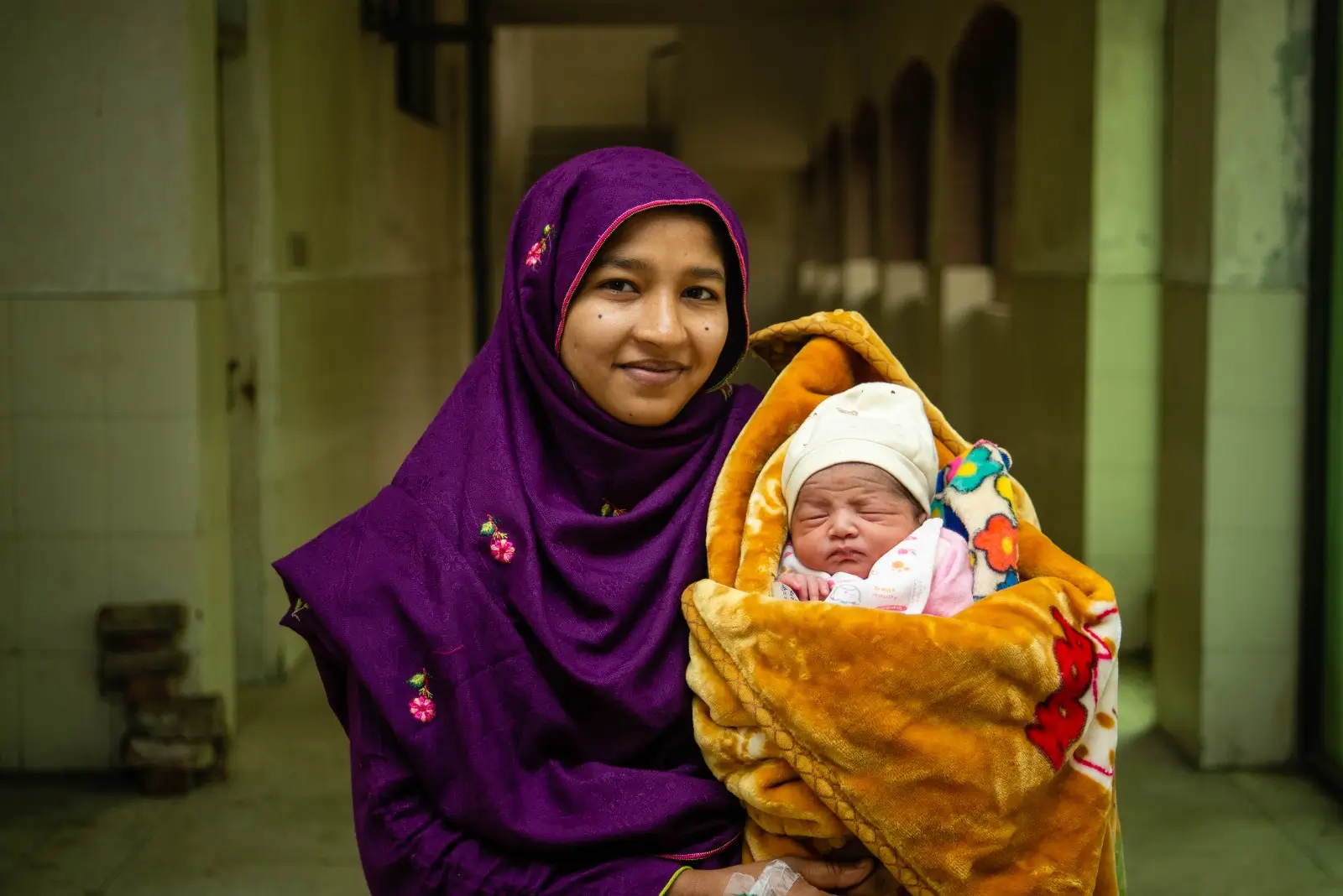
The stunting prevention Program's Impact During Pregnancy
The first operational phase, the Prenatal Stage (before birth), focuses primarily on the overall health, nutrition, and supplementation of anemic pregnant women. Interventions include counseling, provision of prenatal vitamins and supplements, regular follow-ups, facilitation of hospital visits, home visits, and meticulous data maintenance.
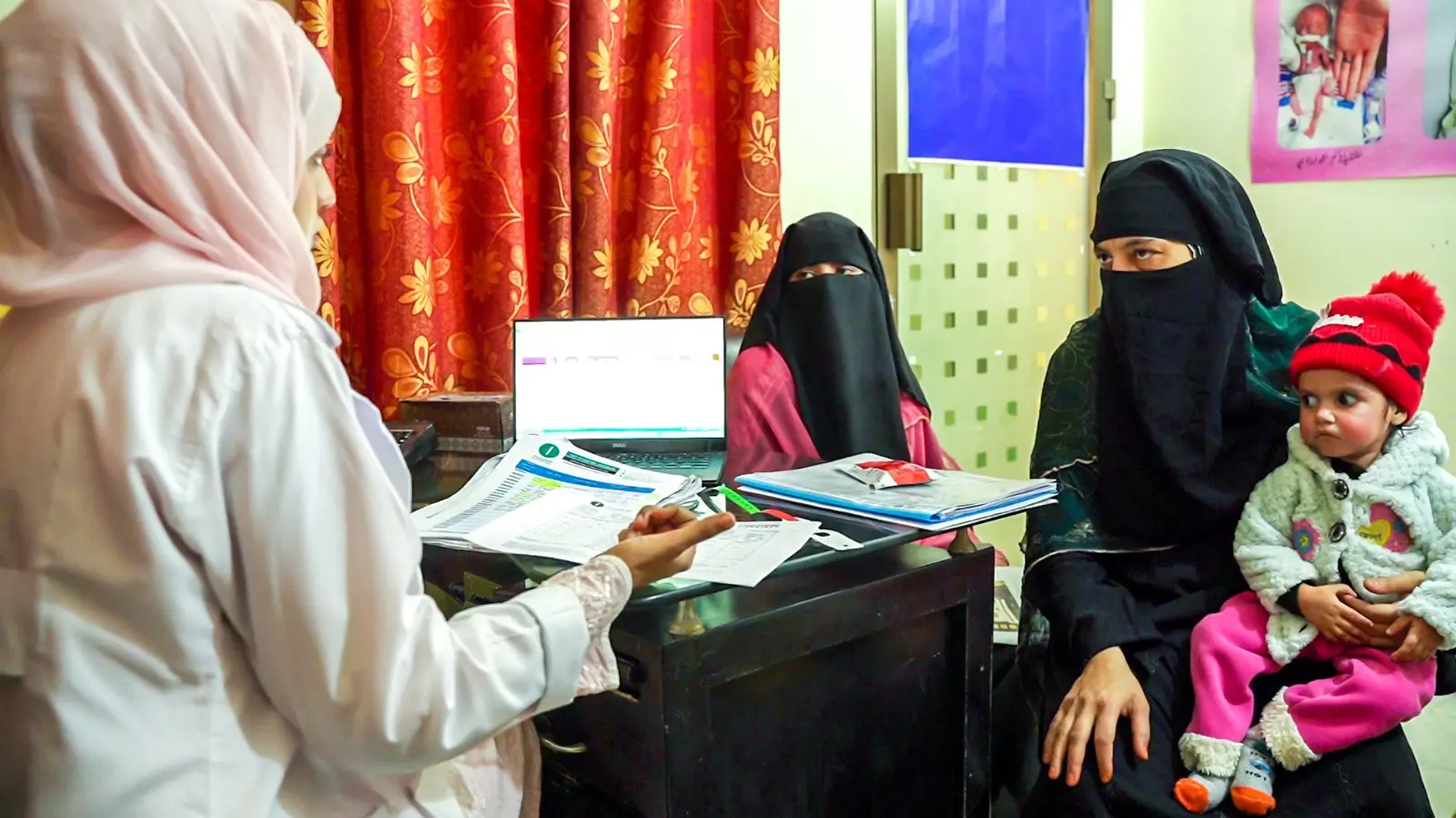
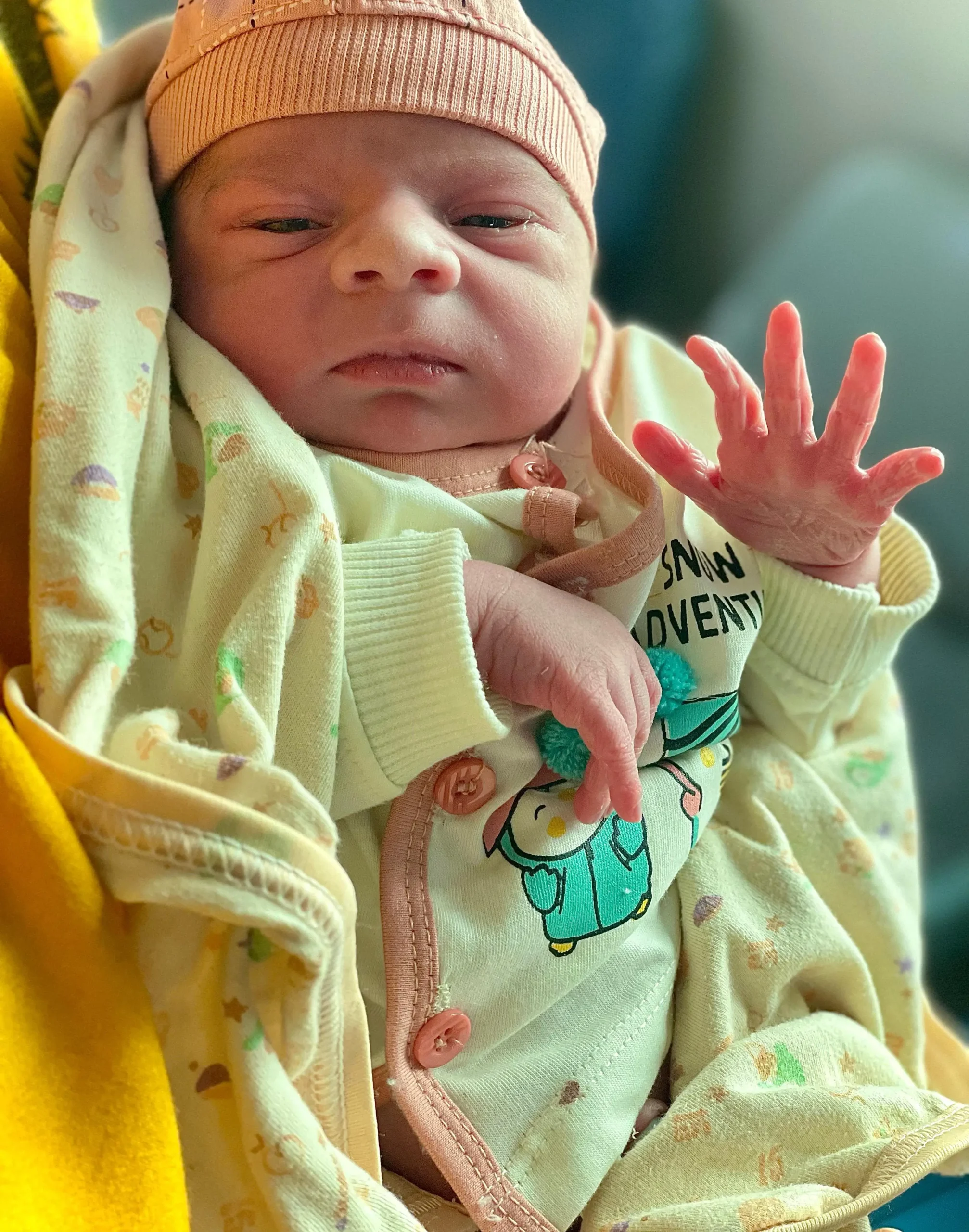
The stunting prevention Program's Role in the First Six Months of Life
The second phase targets mother and child health from birth to six months of age. Maintaining optimal maternal health through healthy dietary practices and necessary postnatal supplementation is essential. This enables mothers to establish ideal breastfeeding practices. Interventions include informational guides on breastfeeding, childhood illnesses, vaccination schedules, and infant nutritional requirements, along with counseling about maternal health and supplements.
The stunting prevention Program's Influence from Six Months to Three Years
The third phase concentrates on child health and nutrition from six months to 1,000 days of life. Interventions are designed to increase maternal awareness about child nutritional needs, early weaning, and complementary foods. Monitoring child health through anthropometric measurements is facilitated by regular follow-ups, provision of child multivitamins and nutritional supplements, utilization of Ready-to-Use Therapeutic Food (RUTF), vaccination assurance, home visits, and comprehensive data maintenance.
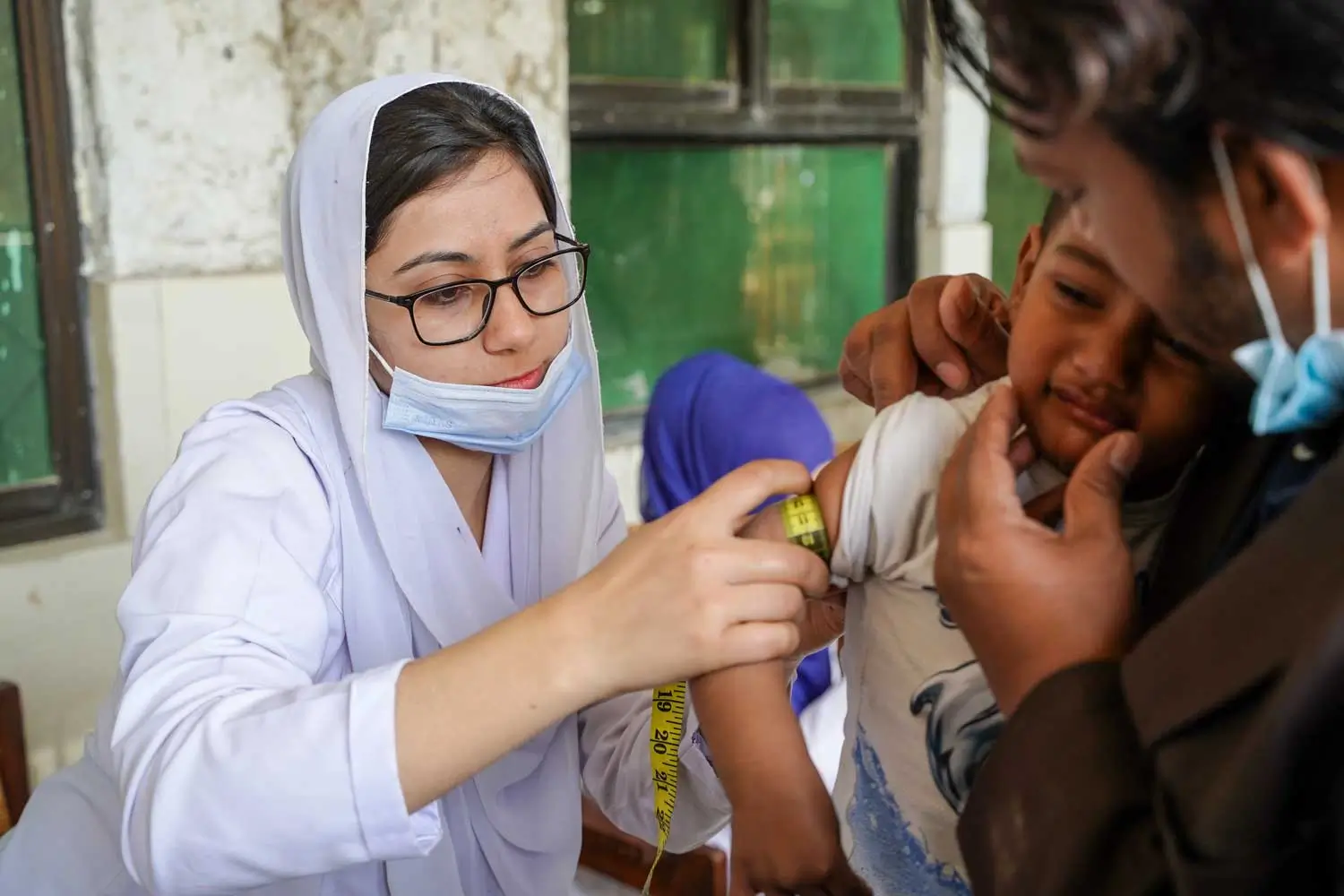
Child Feeding Program
Empowering the journey to health for moderately and severely acute malnourished children in our Child Feeding Program through the provision of Ready-to -Use Therapeutic Food (RUTF), we aim to restore vitality and well-being, fostering a brighter and healthier future for each child enrolled. Together, let’s nourish their potential and break the cycle of malnutrition. Currently, we are serving in 4 child feeding centers in Lahore & Multan.
Initially, AWT began its child feeding program intervention in Southern Punjab, an area where the prevalence of malnutrition among children under five is alarmingly high, estimated at over 40% according to regional health data. The program was launched in nine private pediatric clinics located in Rajanpur, Layyah, Dera Ghazi Khan, and Muzaffargarh.
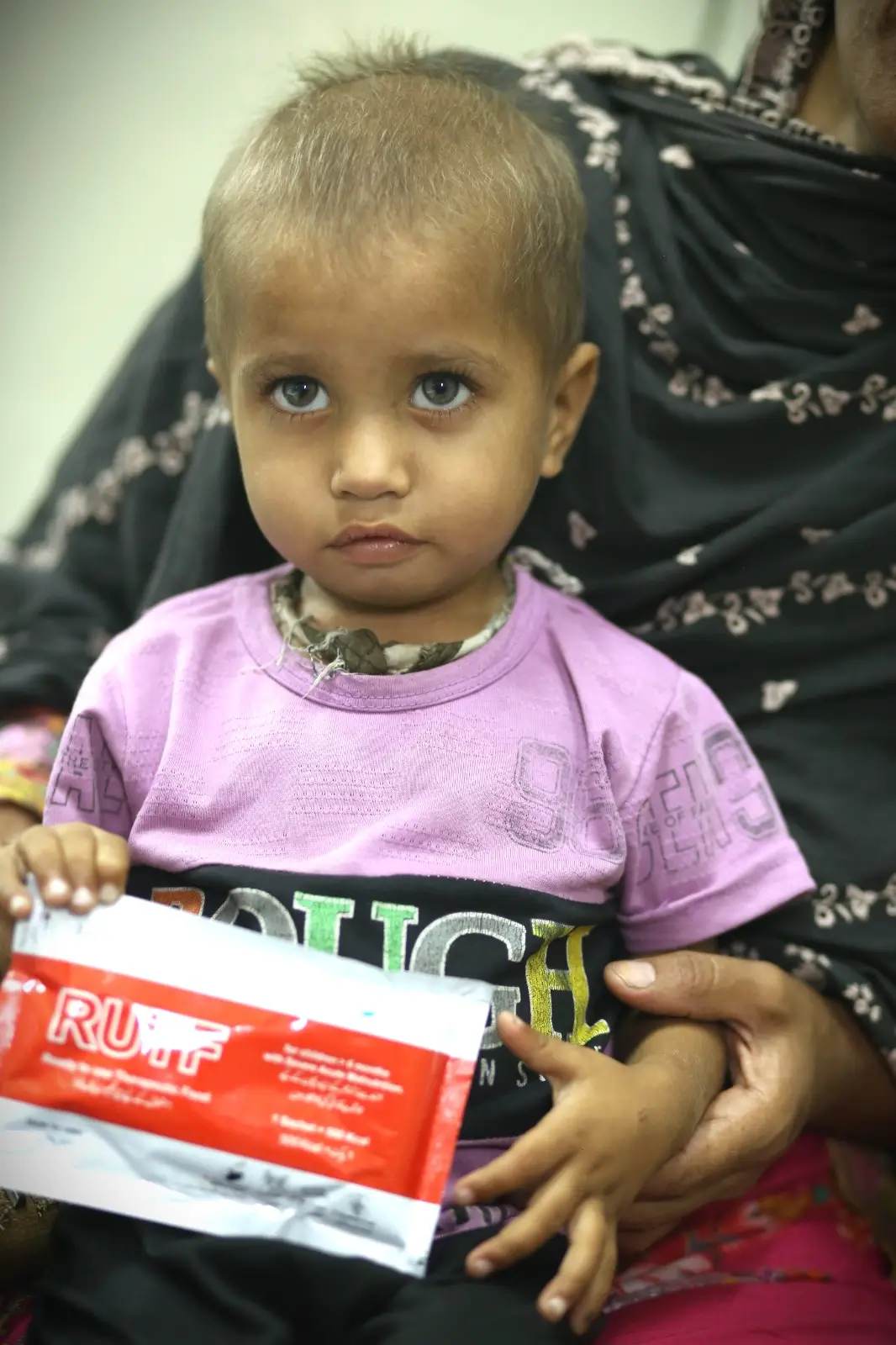
Impacts of child feeding program
- Reduction in Severe Malnutrition: The program has significantly reduced cases of Severe Acute Malnutrition (SAM) and Moderate Acute Malnutrition (MAM) among children. By supplying RUTF to over 2,000 children, AWT has markedly improved the nutritional status and health of these vulnerable individuals.
- Enhanced Growth and Development: Participants in the program have shown substantial improvements in growth, cognitive development, and overall health.
- Increased Parental Awareness: The program has raised awareness among parents about the importance of balanced nutrition for their children.
- Community-Wide Impact: The success of the Child Feeding Program has inspired community members to share knowledge and effective practices with one another, thereby promoting a broader culture of proper child nutrition.
Anemia Free Pakistan
Anemia free Pakistan project aims to evaluate the prevalence and severity of anemia among female students at the Universities & Schools. By assessing hemoglobin levels, we categorize anemia into mild, moderate, and severe by applying the standard of WHO, and contribute to initiatives aimed at improving the health and well-being of female students’ effective anemia management strategies. Anemia Free Pakistan Campaign is currently creating impact in 7 universities all accross Pakistan.
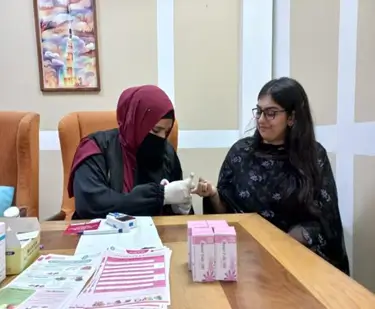
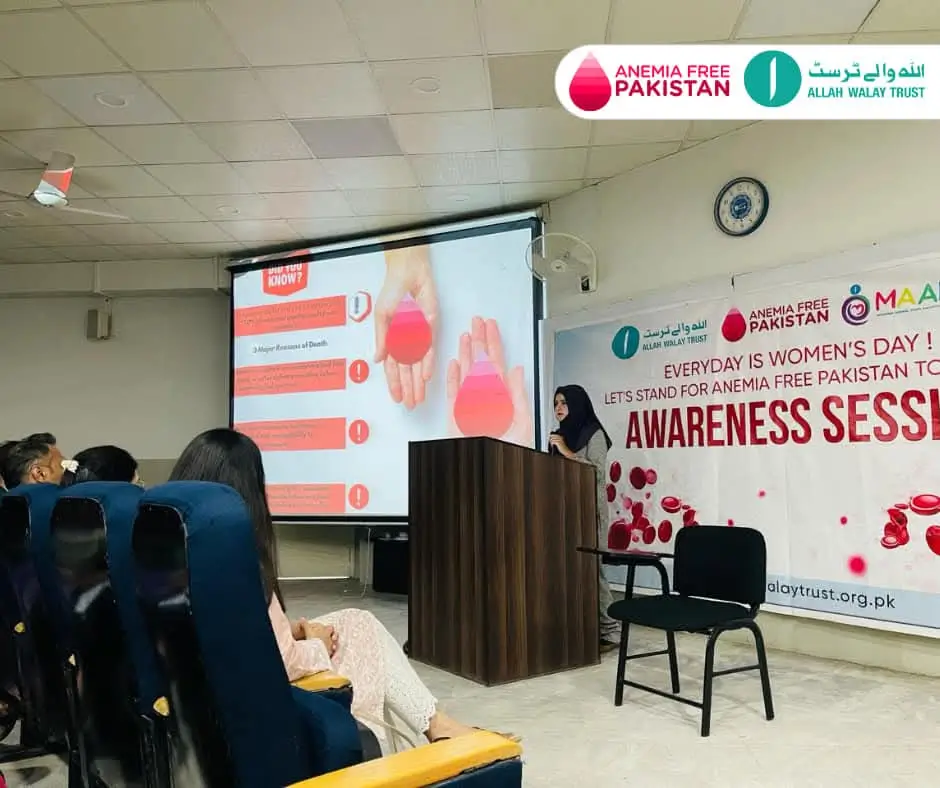
Impacts of Anemia Free Pakistan
The Anemia Free Pakistan Campaign has made a transformative impact on reducing anemia, particularly among women of reproductive age and children. Through hemoglobin screenings and the provision of nutritional education and dietary supplements in schools, universities, and communities, the campaign has successfully lowered anemia rates across many regions. Notably, institutions such as the Regional Training Institutes (RTIs) in Lahore, Faisalabad, Multan, and Sahiwal have been declared anemia-free following targeted dietary interventions and supplementation support.
Join Hands!